Book a demo

Clinical-grade skin analysis, built for Asian skin.

SkinLuv AI lets your practice capture patient skin conditions, run structured analysis, and show measurable progress over time — with a model calibrated for Fitzpatrick IV–VI skin, not adapted from Western datasets.

IV–VI
Fitzpatrick focus
0
Markers / scan
0s
Photo to report
Analysis report
Sample
Skin analysis in progress
Analysing · 16 markers
Record
Sample scan
Concern
Acne + PIH
Fitzpatrick
V
Inflammatory lesions62
Pigmentation (PIH)44
Surface hydration71
Texture uniformity58
Analysis0%
Skin analysis sequence
Forehead Periorbital Cheeks Chin & jaw Pigmentation0 Hydration0 Texture0 Lesions0
Analysis report · sampleComplete
Inflammatory lesions62
Pigmentation (PIH)44
Surface hydration71
Texture uniformity58
Fitzpatrick V · 4 zonesPriority: Pigmentation
Step 01

One standard capture.

Guided framing and lighting on the tablet you already use in clinic — so every visit is comparable to the last.

Step 02

The face is mapped.

Landmark detection runs on-device, isolating the regions a dermatologist would examine in sequence.

Step 03

Four zones, read separately.

Forehead, periorbital, cheeks and chin are scored independently — because pigmentation on a cheek isn't the same finding as pigmentation on a jaw.

Step 04

Sixteen markers, quantified.

Calibrated for Fitzpatrick IV–VI, where melanin distribution is read as normal — not flagged as pathology.

Step 05

A record you can defend.

Every score traceable to a region and a rule. Explainable in the chair, comparable at the follow-up.

The platform

A closed loop from consultation to proof.

SkinLuv AI sits inside your existing workflow. Three steps, repeatable at every visit, producing a record you and your patient can both trust.

01

Capture

Standardised capture from any clinic tablet or phone. Guided framing and lighting checks keep every image comparable across visits — no dedicated hardware to buy.

  • Guided capture protocol
  • Auto lighting & focus checks
  • Consent + records built in
02

Analyse

The model quantifies lesions, pigmentation, erythema and texture, calibrated for Fitzpatrick IV–VI skin. Every score is traceable — not a black box.

  • Lesion & PIH quantification
  • Severity scoring
  • Region-level breakdown
03

Track progress

Side-by-side comparisons and objective deltas over time. Patients see measurable change, which improves adherence and defends your treatment plan.

  • Baseline vs follow-up
  • Objective % change
  • Shareable patient view
Dermatologist reviewing a skin analysis with a patient
In the consult room
The analysis

Sixteen markers. Six categories. One photograph.

The dimensions a dermatologist evaluates in a clinical consult — measured, scored, and traceable to region-level detail.

01Fine LinesAgeing
02Wrinkle DepthAgeing
03Collagen DensityAgeing
04ElasticityFirmness
05PigmentationTone
06Tone EvennessTone
07Dark CirclesEye Zone
08RadianceTone
09Sebum ActivityTexture
10Pore VisibilityTexture
11Surface TextureTexture
12HydrationBarrier
13RednessBarrier
14Acne ActivityBlemish
15Blemish MarksBlemish
16Hairline DensityScalp
Built for Asian skin

Most skin AI is trained on skin that isn't your patients'.

Pigmentation, post-inflammatory hyperpigmentation and melasma present very differently on darker skin. Models trained on predominantly lighter datasets misread these — reporting normal melanin distribution as a finding, and under-reading true PIH.

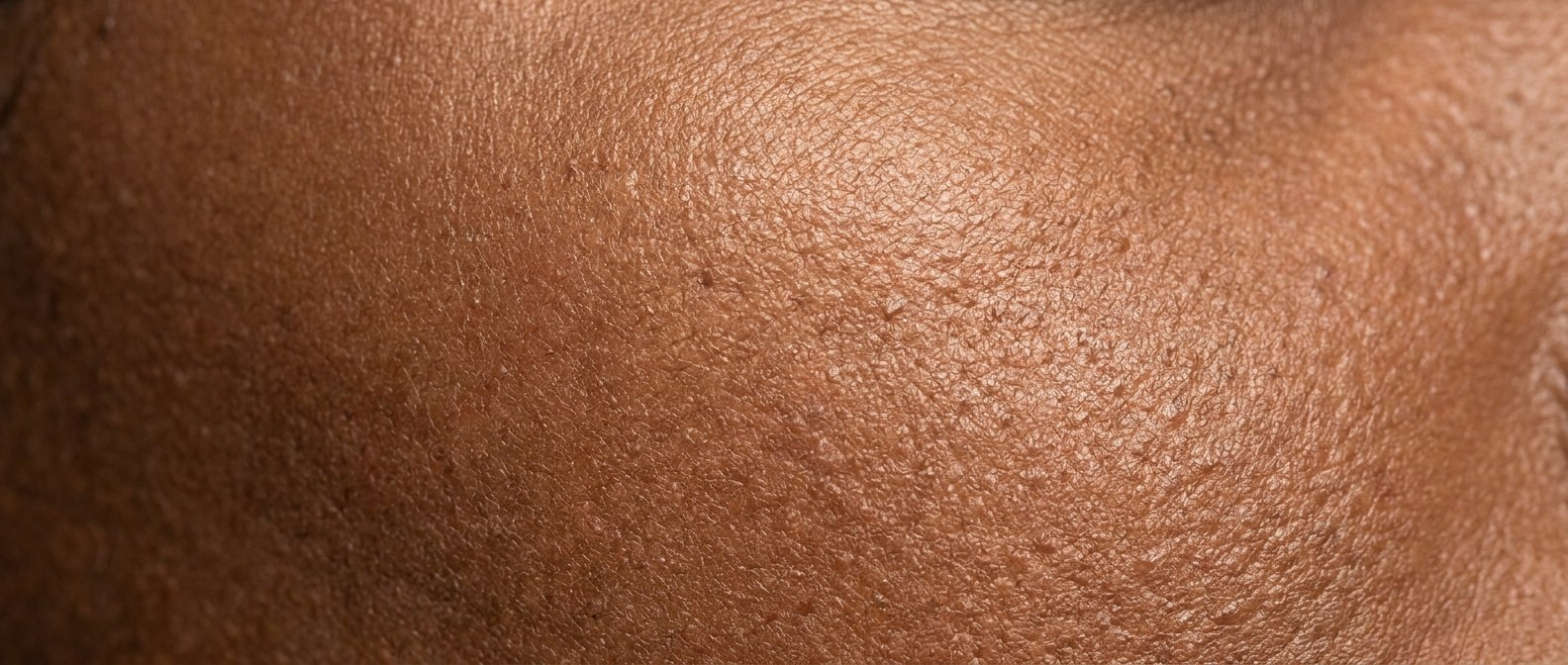
Macro detail of Fitzpatrick V skin
Why this is hard to copy

Calibration isn't a setting you switch on. It lives in how the model is instructed to read melanin-rich skin — which findings are baseline for a tone and which are pathology. A competitor can buy the same camera; they can't shortcut that judgement.

Calibration range
All six types analysed. Four calibrated in depth.
SkinLuv AI reads Fitzpatrick I–VI. Calibration depth is concentrated on III–VI, the range where Western-trained tools underperform most.
I
II
III
IV
V
VI
Explainability
Every score traces to a region and a rule.
Scores are reported per zone with the reasoning attached, so you can explain a finding to a patient — or overrule it — without arguing with a black box.
Data handling
Captures stay yours.
Images are stored privately with access scoped per clinician. You retain ownership of your patient records.
Measurable progress

Show patients change they can't argue with.

Subjective "it looks a bit better" conversations become objective severity scores tracked across every visit. Better adherence, fewer disputes, and a clear record that justifies your treatment plan.

  • Consistent severity scoring across visits
  • Side-by-side baseline vs latest comparison
  • Patient-friendly summary you can send home
Severity index · illustrative4 visits
82
68
49
34
W0
W4
W8
W12
Illustrative example of the progress view — not clinical trial data.
The gap

The tools were built for the minority of the world's skin.

Skin analysis models are overwhelmingly trained and validated on Fitzpatrick I–III. That is a deliberate consequence of where the datasets came from — not a reflection of who needs dermatological care. For the rest of the scale, the same model reports normal melanin distribution as a finding, and under-reads true post-inflammatory hyperpigmentation.

Fitzpatrick scale · coverageWhere the training data sits
I
II
III
IV
V
VI
Types I–III
Where most commercial skin AI is trained, validated and tuned.
Types IV–VI
Where the majority of patients across South and Southeast Asia sit — and where SkinLuv AI is calibrated.
0%
of the world's population has Fitzpatrick type IV skin or deeper — the range most analysis engines read least reliably. Across South and Southeast Asia, it is close to all of them.
Figure pending citation before publication
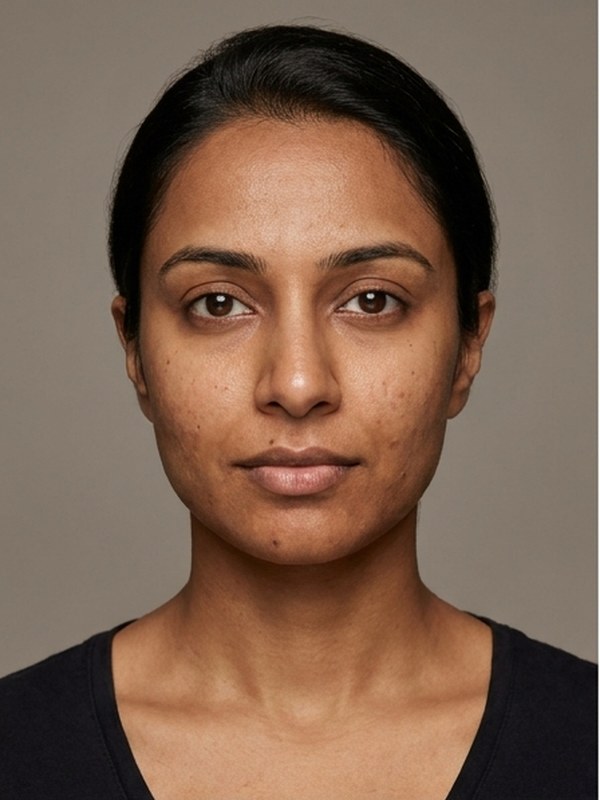
Portrait, Fitzpatrick IVType IV
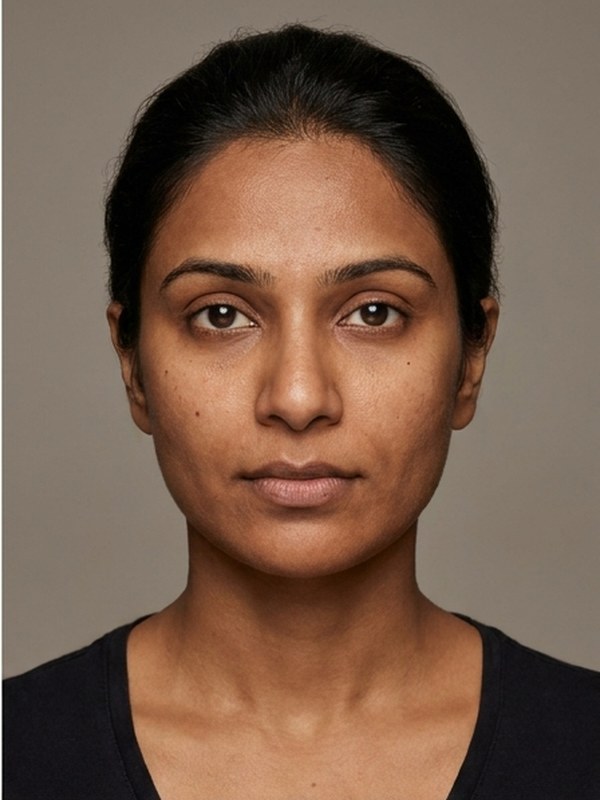
Portrait, Fitzpatrick VType V
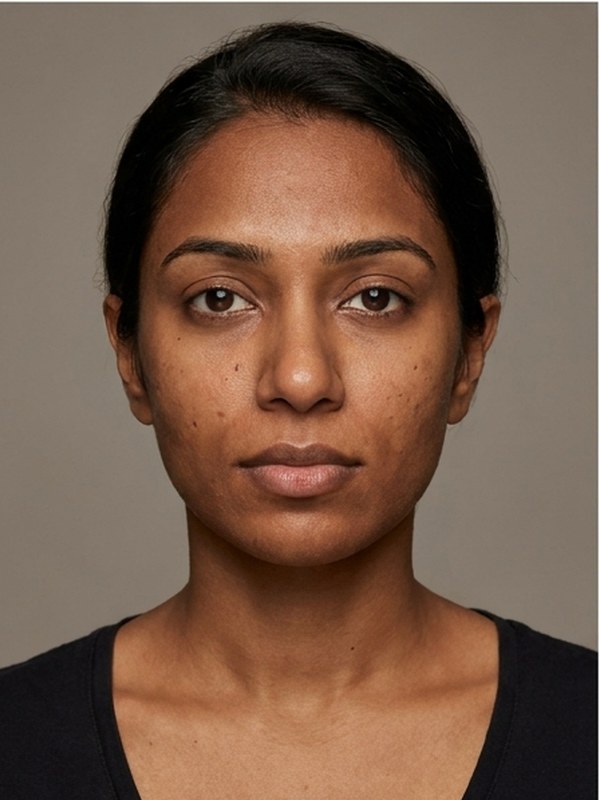
Portrait, Fitzpatrick VIType VI
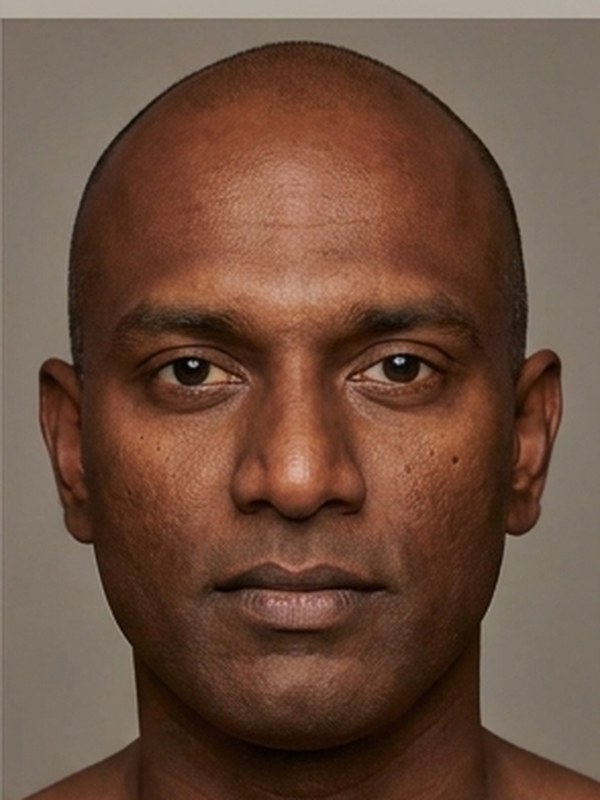
Calibration reference set · illustrative
Clinician holding a tablet running SkinLuv AI
No hardware

It runs on the tablet already on your desk.

No capture booth, no imaging rig, no vendor lock-in. The guided protocol handles framing, focus and lighting so a scan taken in January is comparable to one taken in June — on the device your staff already know how to use.

Contact

Let's work out what this looks like in your practice.

Pricing depends on chairs, patient volume and how you want the reports branded — so we quote it on the call rather than off a table.

  • 01A live scan on your patients' skin typeWe run a real capture-to-report flow on Fitzpatrick IV–VI, not a canned demo video.
  • 02Where it fits your workflowWhich consults it belongs in, who captures, and how the report reaches the patient.
  • 03White-label optionsReports carrying your clinic's name and branding, if that's how you want patients to receive them.
  • 04A quote for your setupBased on chairs, volume and branding — sent in writing after the call.
Request a demo
Opens WhatsApp with your details filled in. Nothing is stored on this page.
Questions from clinicians

The things doctors ask us first.

SkinLuv AI is a clinical decision-support and progress-tracking tool. It quantifies and documents what you observe; it does not replace your clinical judgement or make an autonomous diagnosis. Every score is explainable and traceable.

No. It runs on the tablets and phones you already use in clinic. The guided capture protocol handles framing, focus and lighting consistency so images stay comparable across visits.

Pigmentation, PIH and melasma present differently on Fitzpatrick IV–VI skin. Tools calibrated mostly on lighter skin misread severity and pigmentation — flagging normal melanin distribution as a finding, or under-reading true PIH.

It depends on chairs, patient volume and whether you want reports white-labelled to your clinic. We work it out on the demo call and send a written quote after — no per-seat surprises.

Book a demo

See a real capture-to-report flow in twenty minutes.

We'll run a live scan on Fitzpatrick IV–VI skin, walk the scoring, and show the progress view — so you can judge fit before committing.